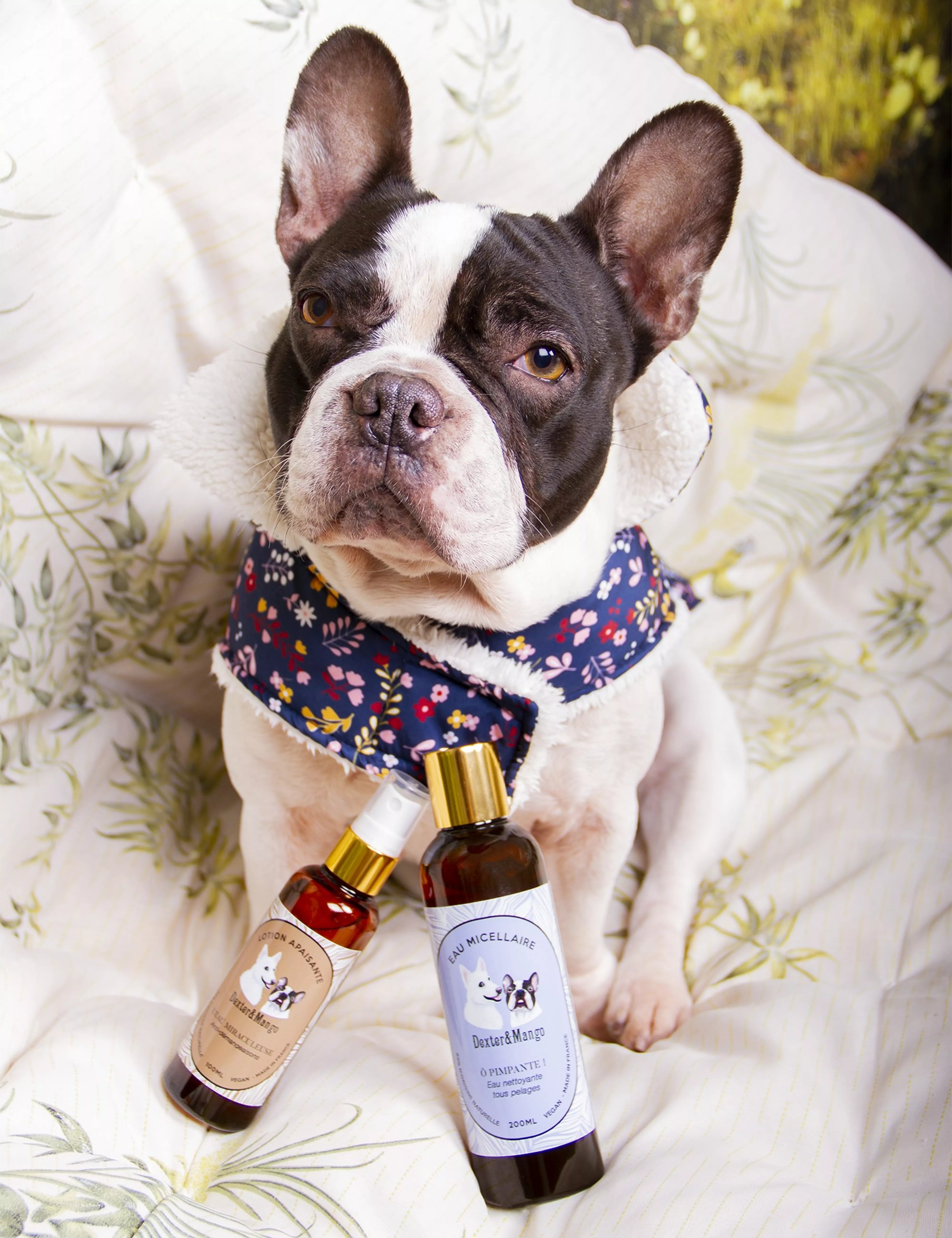
A dog in great shape is, above all, a well-maintained dog. Its hygiene isn't limited to bathing: ear cleaning, dental care, paw pad protection...
Cleaning your dog's ears Ears are a sensitive area prone to infections, especially in dogs with floppy ears. Regular cleaning with an ear cleaner for dogs and also for cats helps remove earwax, dirt, bacteria, and prevent potential ear infections.
Brushing your dog's teeth
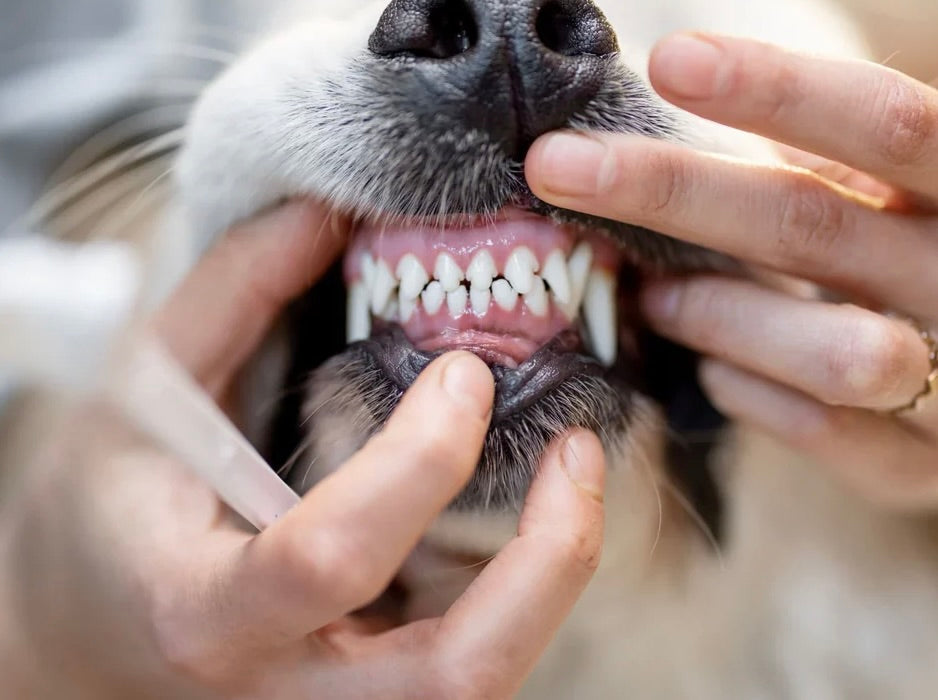
Tartar buildup promotes bad breath and gum disease.
For good oral hygiene, you can use a dog toothpaste daily with a soft toothbrush or your finger, or give your dog daily natural chews. If your dog doesn't like having its teeth brushed, mouth spray is a practical alternative.
Finally, if your dog is playful, you can also offer them a felted wool toy, as this type of wool naturally brushes your dog's teeth when they chew.
Protecting Your Dog All Year Round
Cold, heat, humidity... it's essential to adapt your dog's care to prevent discomfort and injuries.
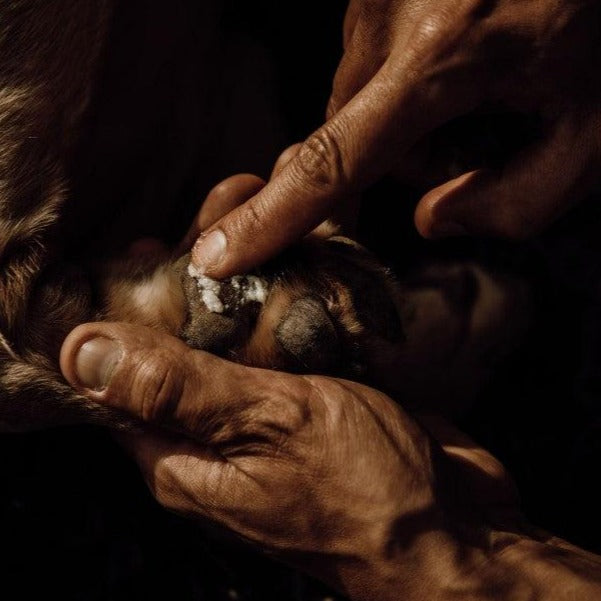
Protect paws in summer and winter Paw pads are particularly exposed to external aggressions: scorching ground in summer, de-icing salt in winter, rough surfaces...
To prevent cracks and irritations, applying a paw balm for dogs is recommended.
After a walk, remember to clean them thoroughly with a dog paw cleaner.
Prevent parasites all year round Fleas and ticks are a plague for dogs. Regularly using an antiparasitic oil for dogs is essential to protect them from itching and the diseases they can transmit.
UV rays
They are also enemies not to be underestimated. A dog sunscreen protects sensitive areas such as the muzzle, ears, and belly from sunburn. But it also greatly protects short-haired, white, or light-colored dogs, whose skin is often visible.
Questions fréquentes
Applique un nettoyant auriculaire sur un coton, essuie l'intérieur du pavillon sans aller trop profond, puis laisse-le secouer la tête. Vise une fois par semaine environ, ou selon les besoins de ton chien.
Il hydrate et protège les zones sèches ou abîmées, utile en hiver contre le froid et le sel, ou en été quand le sol est brûlant.
Oui, régulièrement, avec un dentifrice spécialement conçu pour les chiens : jamais de dentifrice humain, qui peut lui être toxique. Ça aide à prévenir le tartre et les mauvaises odeurs.
Une lotion apaisante peut soulager une irritation ponctuelle. Si les démangeaisons persistent ou s'aggravent, consulte ton vétérinaire pour en identifier la cause.
C'est un soin nettoyant sans rinçage, pratique entre deux bains pour rafraîchir le pelage ou nettoyer le contour des yeux.
Ça dépend du soin : certains s'utilisent en routine hebdomadaire (oreilles, dents), d'autres seulement au besoin (baume, lotion apaisante).